Nobody wants an emergency spill to happen. When one takes place, every second counts. Structured, well-executed emergency spill response is needed to minimize the ramifications of the spill. Containment, control, and clean up of the hazardous substance is vital, and Miller Environmental Group is up to the task.
But what does the aftermath of a spill look like? How does it play out in terms of response? For a full picture, an understanding of the process is needed.
What Is Emergency Spill Response?
Emergency response refers to the immediate, coordinated actions taken to address an unplanned release of oil, chemicals, or other hazardous materials. It isn’t an improvised reaction; it’s defined by clear protocols, trained professionals, and specialized equipment.
Spills that require emergency response include:
- Oil spills: Petroleum products released from pipelines, tankers, storage tanks, or vehicles
- Chemical spills: Industrial solvents, acids, and other hazardous substances
- Hazardous material (hazmat) releases: Substances regulated under OSHA, EPA, or DOT guidelines that require containment and specialized handling
The people in charge of response need to know everything about the process. Trained hazmat teams and certified environmental contractors are equipped with the knowledge, protective gear, and equipment required to handle these situations safely and in compliance with regulations.
The First Hour: Immediate Actions
Immediately following a spill, the response sequence begins. No step is optional, and it needs to be executed with precision.
Step 1: Secure the area and ensure safety
Establish a perimeter and unauthorized personnel away from the spill zone.
Step 2: Identify the substance
What was spilled? How much? Is it flammable, corrosive, or toxic? This information informs how the rest of the response process will play out, from PPE selection to notification requirements and actual cleanup. Fully characterize the extent of the spill.
Step 3: Stop the source if possible
Close valves, plug lines, or upright overturned containers, if it can be done safely. Stopping the flow is always the first operational priority.
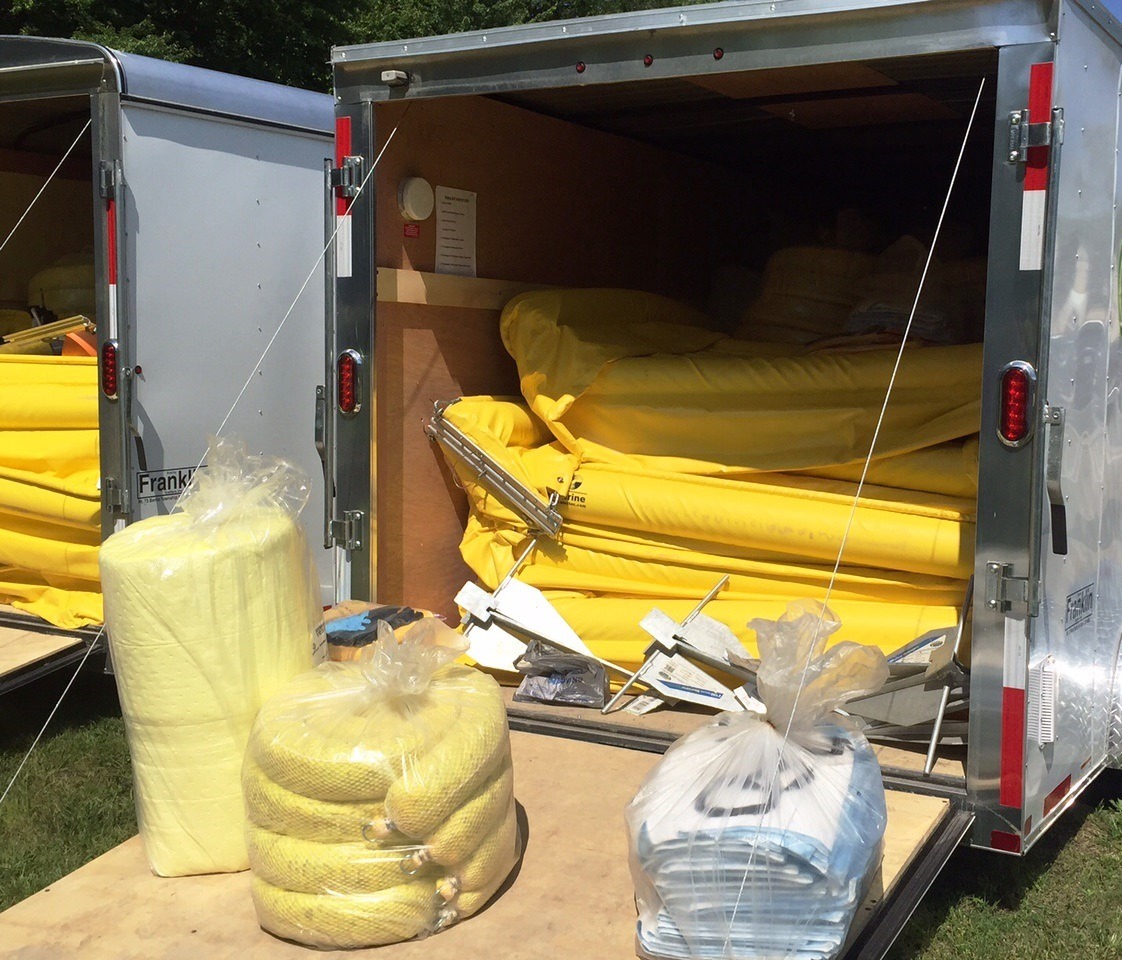
Step 4: Deploy initial containment
Containment booms, absorbent berms, and sorbent pads are deployed immediately to limit the spread of the spill. How quickly this is done directly determines scope.
Hours 1–6: Containment and Control
The immediate threat is stabilized, but there’s still plenty that needs to be done. Now to contain the spill and prevent it from spreading further.
The primary aim is to prevent waterways, drainage systems, and permeable soils from becoming contaminated; if they do become contaminated, the scope and cost of the response increase drastically.
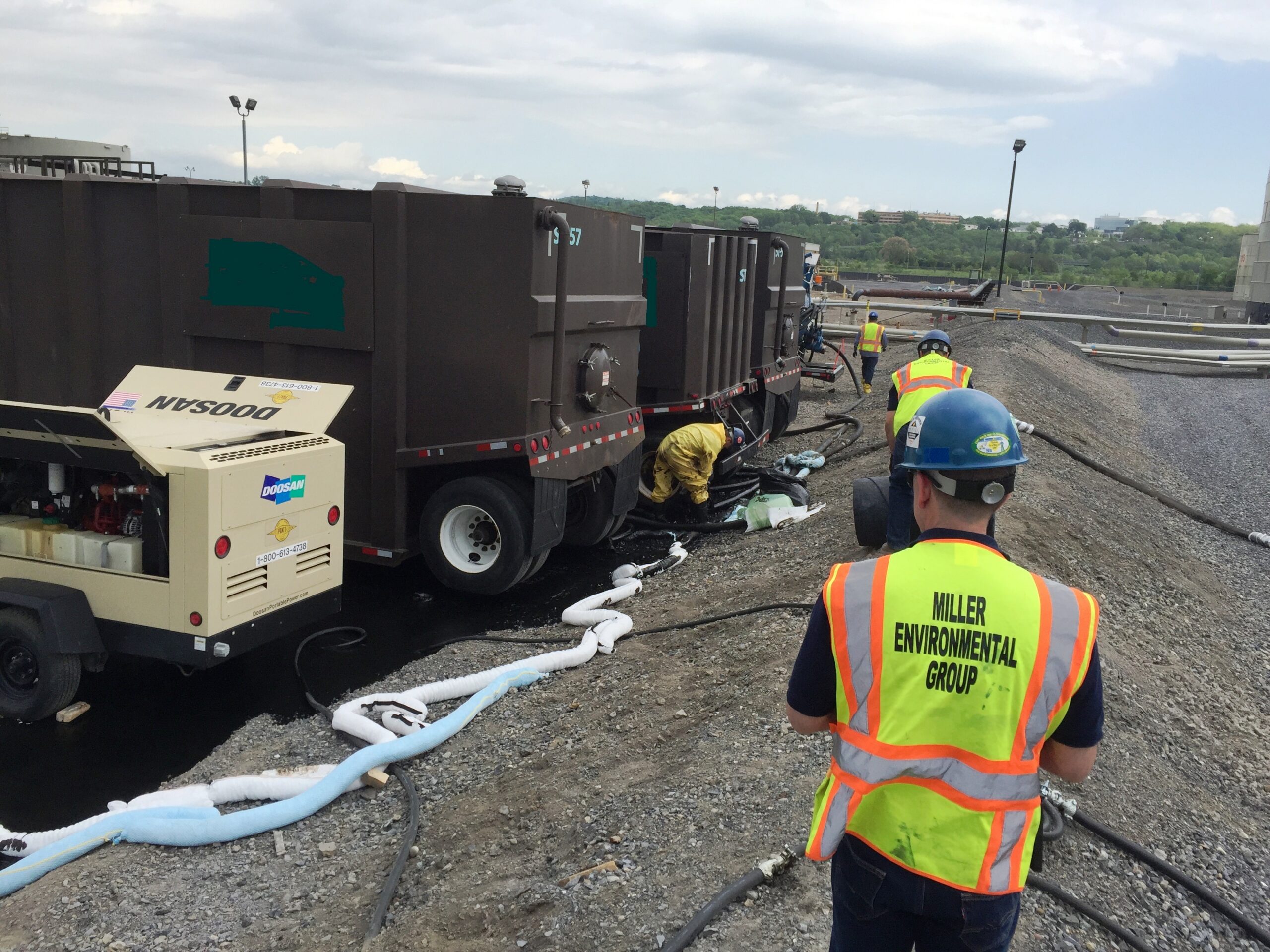
Specialized equipment deployed during containment typically includes:
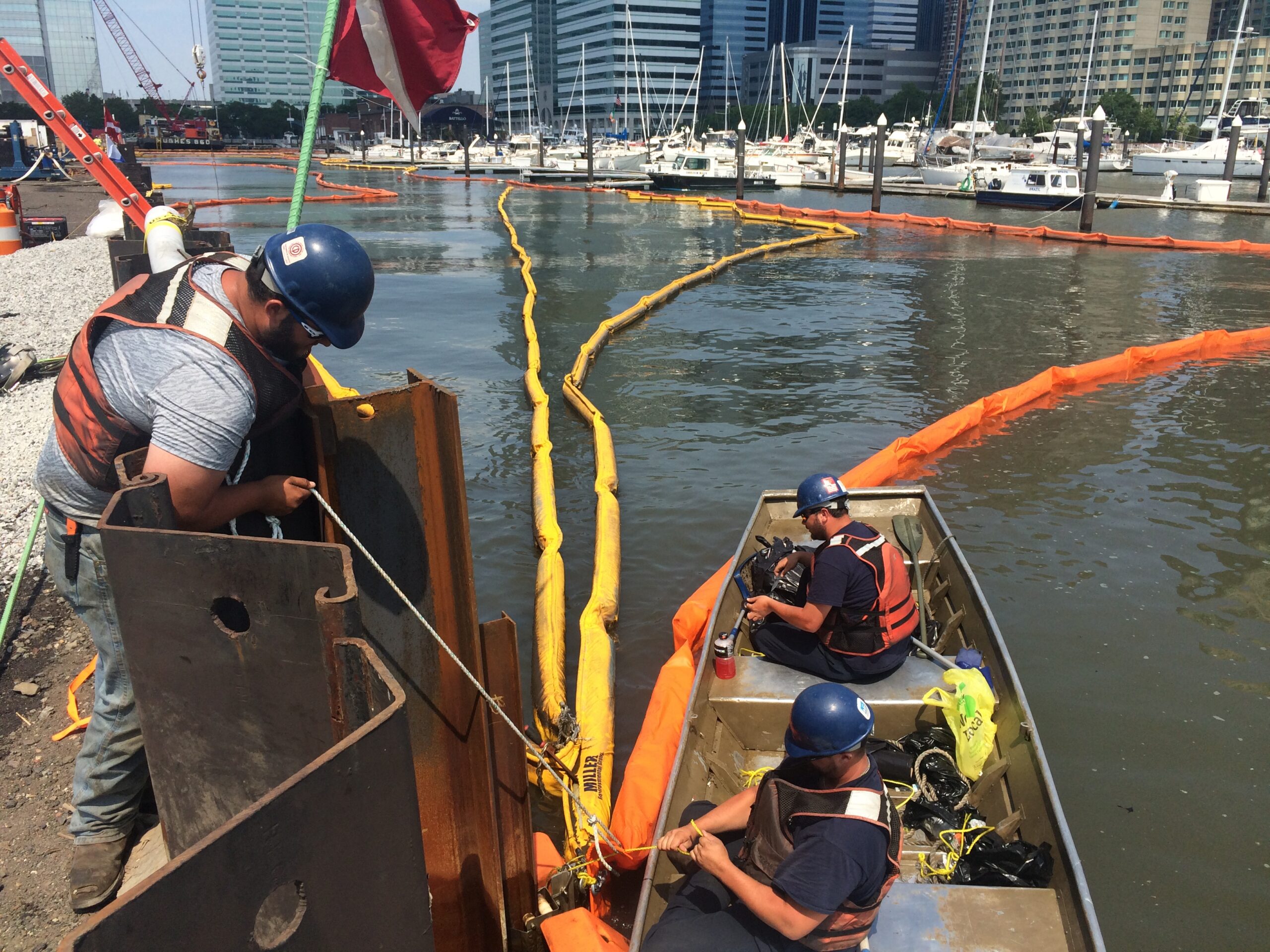
- Boom systems: These are deployed around the perimeter of the spill to contain the spread to a manageable area.
- Vacuum trucks: These are used to recover as much liquid from the area as possible so it cannot cause further contamination.
- Frac tanks: These temporary storage vessels hold recovered liquid and contaminated water.
- Absorbent materials: Sorbent booms, pads, and granular media are applied directly to the spilled liquid.
Containment also relies heavily on coordination with local fire departments and emergency management agencies, and potentially the U.S. Coast Guard for marine incidents.
Environmental impact mitigation begins here. Protecting adjacent soil, vegetation, and water resources from secondary contamination is an active, ongoing effort that needs to be addressed right away (and by the right people). Learn more about our oil spill cleanup capabilities.
Hours 6–24: Cleanup and Remediation Begins
By the mid-point of the first day, containment is established and the work transitions to cleanup and the beginning of environmental remediation. This phase is more methodical and urgent at the same time.
Key activities during this phase include:
- Removal of contaminated materials: Impacted soil, absorbents, and surface debris are excavated, collected, and staged for proper disposal.
- Temporary storage: Frac tanks provide critical onsite holding capacity for recovered product and contaminated water, keeping materials properly managed until they can be transported and disposed of in compliance with applicable regulations.
- Site assessment and documentation: Environmental professionals conduct sampling, establish the extent of contamination, and begin generating the documentation required for regulatory reporting and future remediation planning.
- Preparing for full remediation: The groundwork laid in the first 24 hours directly determines the complexity and cost of the longer-term environmental remediation process that follows.
We should note that documentation is more than a formality. Thoroughly recording what was spilled and where, when, and how it was addressed is one of the best ways to protect the responders and mitigate liability exposure.
Common Types of Spill Emergencies
Not every spill looks the same. There are, of course, a few that stand out due to their relatively more frequent occurrences.
Transportation spills are one of the most frequent. We’ve all seen or heard about tankers rolling over and spilling their chemicals or petroleum on the roadway. Responses to these need to address spill cleanup and vehicle recovery.
Industrial facility spills involve process-upsets, tank failures, and equipment malfunctions at industrial plants (refineries, for example). Such accidents can release large volumes of material rapidly, so prompt response is a necessity.
Pipeline leaks (subsurface or aboveground) can remain undetected for hours, which allows large quantities of materials to accumulate before response is initiated. Onsite infrastructure and containment systems help reduce this delay.
Marine and environmental spills pose immediate threats to aquatic ecosystems. Organizations classified as Oil Spill Removal Organizations (OSROs) are certified to respond to these events. Miller Environmental Group is one such organization.
Equipment Used in Emergency Spill Response
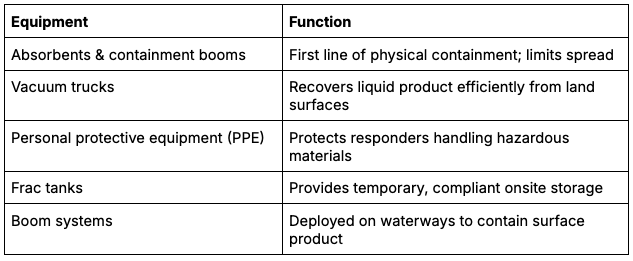
Professional spill response is only as effective as the equipment behind it. Having the right equipment ready to deploy is what separates a measured response from a chaotic one.
Main categories of response equipment include:
Why Professional Spill Response Matters
The case for trusting a professional emergency spill response company to handle cleanup isn’t just about capability. It’s also about consequence management.
- Regulatory compliance: There are strict requirements in place from the EPA, OSHA, and other environmental agencies on reporting, containment, cleanup, and disposal. Failing to comply can result in significant fines.
- Cost: The faster the containment, the lower the cost. Extended timelines mean more resources and manpower are being used.
- Environmental liability: A prompt, thorough, and compliant response provides a solid basis for any liability defense. Documentation, regulatory coordination, and proper disposal all contribute to that record.
- Expertise and certifications: Spill response services require personnel who are trained in hazmat operations, familiar with applicable regulations, and experienced in the field. Miller Environmental Group’s teams have operated in complex, high-stakes environments for more than 50 years.
How to Prepare for a Spill Emergency
The most effective oil spill cleanup and other emergency spill response largely hinges on how prepared the responders are. Here’s what Miller Environmental Group has in place:
- Documented response plan: These outline team responsibilities, how notifications flow, and which contractors are pre-approved to respond.
- Employee training: Extensive training is provided to every employee before they take part in environmental remediation. This includes recurring sessions to keep their expertise fresh and their knowledge up-to-date.
- Emergency contract partnerships: Having a response contractor relationship in place before an emergency means no time is lost identifying and vetting a provider when time is of the essence.
- Routine inspections and risk assessments: These help to proactively identify conditions that are likely to cause a spill. The best kind of incident is one that doesn’t happen.
Don’t Leave Anything to Chance
The first 24 hours following an emergency spill are decisive. Immediate actions in the first hour determine how everything afterwards plays out, including the environmental remediation that must take place after the initial problem is under control. Delays and missteps at any point could amplify the consequences.
Miller Environmental Group has been providing emergency spill response services across the eastern U.S. since 1971. With 25 operation centers, a USCG-Classified OSRO response capability, and teams on standby 24 hours a day, we’re built for these moments.
Don’t wait for a spill to happen before taking action. Get in touch with us now and craft an airtight response plan.
